

Using Hop Extract in Beer: Types, Tips & How to Use
Using hop extract is becoming more common in homebrewing, as professional-grade hop extracts are now more readily available than ever. So how can you use them to improve flavour, aroma and consistency in your beer?
If you’ve ever handled fresh whole hops, you’ll know that they are oily and very aromatic. Underneath the leafy petals, there’s a small core that’s stuffed full of oils and all the compounds that make hops so effective in beer. The amount of these oils varies from harvest to harvest and even from plant to plant.
Hop extracts are made by taking raw fresh hops and processing them to separate these oils and aroma compounds from the leafy vegetative matter. In this guide, we’ll break down what hop extract is, how hops extraction works, and how to use different types of hop extract in your brewing.
You can browse our full range of hop extracts here: SHOP HOP EXTRACTS
Table of Contents
What Is Hop Extract?
Hop extract is a concentrated brewing ingredient made by separating hop oils, alpha acids and aroma compounds from the plant material. This allows brewers to use the most important parts of the hop without the leafy matter that comes with whole hops or pellets.
These extracts are standardised, meaning they deliver consistent bitterness, flavour and aroma in beer, helping to reduce variation between batches.
How Hops Extraction Works
When hop extracts are made, the process goes a step further than pellet production. The oils can be split up to separate just the alpha acids that give beer its bitterness, or to pull out the bright flavour and aroma compounds.
These pure extracts can then be standardised for consistent, predictable results, evening out seasonal and regional variations in hops.
Similar processes are used to make super-concentrated hop pellets like LUPOMAX, but hop extracts remove even more of the vegetative material, focusing purely on the compounds brewers want to maximise for flavour, aroma and brewing efficiency.
Why Use Hop Extract in Beer?
Aside from consistency, one of the main benefits of using hop extract in beer is reduced wastage.
If you’ve ever looked at a pile of spent hops after a brew and wondered how much beer you’ve lost, you’re not alone. Hops are incredibly absorbent and can soak up several times their own weight in beer.
Hop extracts dissolve fully into your beer, drastically reducing this loss. This is a major benefit for professional breweries, where every pint counts, but homebrewers care about wastage too – we don’t want to see beer going down the drain!
Other benefits include:
- More consistent bitterness and flavour
- Reduced vegetative matter in the boil
- Cleaner flavour in heavily hopped beers
- Improved stability across batches
Hop Extract vs Hop Pellets: When Should You Use Each?
Using hop extract doesn’t mean replacing pellets entirely – in many cases, the best results come from using both.
Hop extract is ideal when you want:
- Precise bitterness and consistency
- Reduced beer loss from hop absorption
- Strong flavour and aroma without large hop loads
Pellets are still useful when you want:
- Traditional hop character
- Layered flavour profiles
- Simplicity in recipe design or whenever there isn’t a hop variety available in a liquid form

In practice, many brewers use extract alongside pellets to get the benefits of both — cleaner results from extract, with added depth from traditional hopping methods.
Types of Hop Extract for Brewing
There are different types of hop extract designed for different stages of the brewing process:
- FLEX: used for bittering
- INCOGNITO: used in the whirlpool for flavour and aroma
- SPECTRUM: used for dry hopping
- PRYSMA: designed for flavour and aroma additions later in the brewing process, similar to SPECTRUM *
* PRYSMA hop extract products from BarthHaas coming to The Malt Miller soon, adding another option for brewers looking to push hop aroma and flavour even further.
Each type is designed to deliver specific hop compounds at the right stage of brewing.
Which Hop Extract Should You Use?
If you’re new to using hop extract in beer, here’s a simple way to decide which type to use depending on where you are in the brewing process:
| Hop Extract | Best For | When to Use | Key Benefit |
|---|---|---|---|
| FLEX | Bittering | Start of the boil | Clean, precise bitterness and consistent IBUs |
| INCOGNITO | Whirlpool additions | After the boil | Strong flavour and aroma with reduced hop loss |
| SPECTRUM | Dry hopping | During fermentation | Intense aroma with no vegetative matter |
In practice, many brewers use a combination of hop extracts and pellets to get the best of both – cleaner results from extract, with added depth and complexity from traditional hopping methods.
Below, we’ll run through each type of hop extract in more detail and how to use them in your brewing.
Using FLEX Hop Extract for Bittering
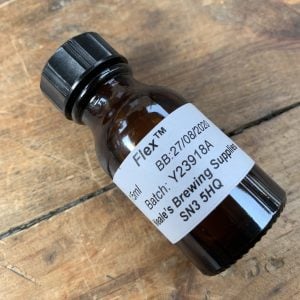
Shop Flex Hop Bittering Extract
FLEX is a hop extract designed for bittering. If you want to hit a precise IBU every time, this is the extract for you.
While different hop harvests have different alpha acid percentages (AA%), FLEX is always consistent — so no more calculating different hop doses based on AA%.
That consistency also translates into flavour stability. The more hops you add to your kettle early on, the more vegetative matter is in your boil, which can add unwanted flavours. For high IBU styles like West Coast IPA or strong stouts, FLEX delivers the ultra-clean bitterness you need.
How to Use FLEX
FLEX is best used at the start of your boil. It is flowable at room temperature, but if you’ve stored it cold, you may need to warm it slightly to make it easier to dose.
Measure out the FLEX and simply pour into the wort as you would hops. You can use a little wort from your kettle to rinse out your measuring vessel so you don’t lose any of the extract.
How Much FLEX to Use
If you’re building a recipe in a calculator, enter FLEX as 65% alpha acids. However, different calculators use different methods to estimate final bitterness, so it can be simpler to work out your FLEX addition by weight.
Quick guide:
- 1g of FLEX adds 10 IBU to 20L wort
- Formula: (IBUs × batch size in litres) ÷ 200 = grams of FLEX
- For example, to get 48 IBU in a 23L batch: (48 x 23) ÷ 200 = 5.52g
Why Use FLEX for Bittering
Because FLEX removes vegetative matter from the boil, it helps deliver a cleaner bitterness and reduces the risk of unwanted flavours in high IBU beers.
It also gives you a much more consistent result from batch to batch, which is especially useful when you’re trying to dial in a recipe.
Using INCOGNITO Hop Extract in the Whirlpool
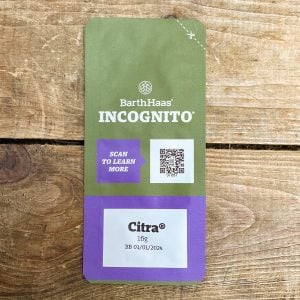
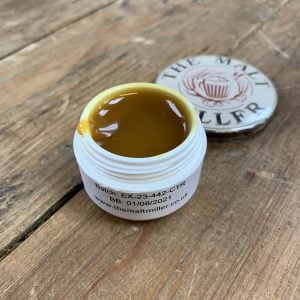
INCOGNITO is an extract designed specifically to be used in the whirlpool. Designed with modern IPA brewing in mind, this extract delivers flavour and aroma without any of the losses you get from using pellets.
INCOGNITO is available in the following varieties:
- Centennial
- Chinook
- Citra
- Ekuanot
- HBC472
- Mosaic
- Sabro
As with other extracts, these are standardised to deliver true-to-type flavour every time.
How to Use INCOGNITO
INCOGNITO is a thick, sticky oil at room temperature. It pours better at around 40°C, so we recommend gently heating the packaging in a pan of warm water before using.
Add the INCOGNITO as you would pellets in the whirlpool. It includes alpha acids just like pellet hops, so it will add a little bitterness depending on the temperature you add at. You can substitute INCOGNITO straight into any recipe and get the benefits of lower waste while still getting the flavour and bittering you expect.
INCOGNITO will dissolve straight into hot wort, but you may choose to draw off some wort and mix it in before adding back to your kettle. You can also use a little hot wort to rinse out your measuring jug or the packaging so you don’t lose any.
How Much INCOGNITO to Use
INCOGNITO is equivalent to around six times its weight in hop pellets. So if you would usually use 120g of hop pellets in your whirlpool, you can replace this with 20g of INCOGNITO.
Because there’s no vegetative matter, INCOGNITO can deliver more consistent hop flavour than pellets. So you might find in practice you can use a different amount to get the same (or better) results: we suggest ranges between 0.5g per litre and 2g per litre at maximum.
Tips for Best Results
We find in practice it’s best to add some hop pellets along with the INCOGNITO. This leaves your kettle much cleaner at the end, as the pellets help pick up the oily bits and drop them out of suspension. You also get a more layered flavour by using extract and pellets together.
INCOGNITO can be incredibly sticky, so definitely wear gloves while working with it. Plain soap and water will remove any residue on your hands.
Using SPECTRUM Hop Extract for Dry Hopping
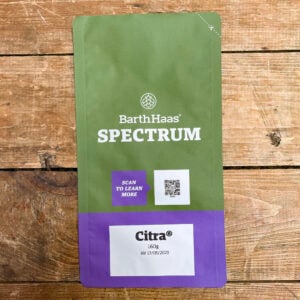
SPECTRUM rounds out the range of hop extracts and is designed for dry hopping. With the dry hop on modern IPA styles getting ever larger, losses are a real issue. And just throwing more and more pellets gives diminishing returns, as delicate aroma compounds get absorbed by the vegetative matter. You could literally find that adding more hops makes for a less aromatic beer.
SPECTRUM can help by reducing the overall amount of hop matter you add, while simultaneously giving a huge amount of potent aroma and flavour compounds.
It’s currently available in the following varieties:
- Citra
- Galaxy
- Mosaic
How to Use SPECTRUM
SPECTRUM can be added directly to the fermenter. You might choose to draw off some wort and mix in the extract, then add this back to the fermenter – some brewers find this helps get a more even flavour.
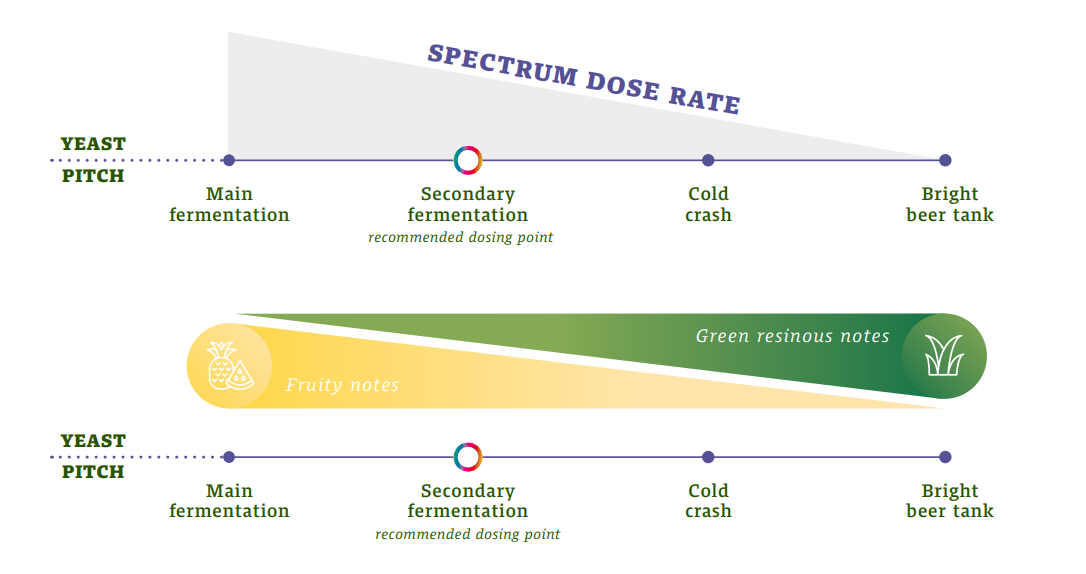
Because SPECTRUM has such a pure and high concentration of hop oils, it can be better used earlier in fermentation than a standard dry hop. The yeast helps pick up fruity flavours and drives off grassy or resinous notes.
The recommended time to add SPECTRUM is with 1–2 gravity points remaining, but you can experiment with adding it earlier or later.
How Much SPECTRUM to Use
SPECTRUM is equivalent to between five and eight times its weight in pellets.
- 100g of pellets ≈ 12.5–20g of SPECTRUM
The exact replacement rate will vary depending on when you add the extract and how large your batch is. Start at a lower rate and experiment with higher doses until you’re happy with the results.
We suggest not exceeding:
- 1g of SPECTRUM per litre of beer
Tips for Best Results
It’s best to use SPECTRUM alongside regular hop pellets instead of fully replacing the pellets. This gives you a more layered and complex flavour than the extract alone.
Like the other extracts, SPECTRUM is a thick oil that flows better when warm, so if you’re struggling to get it out of the packet, immerse it in some warm water first.
FAQs: Hop Extract in Beer
Is hop extract worth using for small batch homebrewing?
Yes – even in small batches, using hop extract can make a noticeable difference.
The main benefits are improved consistency, reduced beer loss and more precise control over bitterness and flavour. Because hop extract contains no vegetative matter, you don’t lose as much finished beer compared to heavy pellet additions.
For smaller setups, it’s often less about efficiency at scale and more about control. If you’re trying to dial in recipes or brew hop-forward styles like IPA, hop extract can be a useful tool alongside pellets rather than a full replacement.
When should you use hop extract instead of hop pellets?
Hop extract is best used when you want more control, consistency or efficiency in your brewing.
It works particularly well for:
- Bittering additions, where precise IBU control is important
- High-hop recipes, where pellet additions can lead to excessive beer loss
- Whirlpool or dry hop stages where you want strong flavour without adding large amounts of plant material
Pellets are still a good choice for traditional hopping and adding layered character, so in practice many brewers use both together rather than choosing one over the other.
Can hop extract improve beer stability or shelf life?
Yes. Because hop extract reduces the amount of vegetative matter in your beer, it can help limit the introduction of compounds that contribute to flavour instability over time. Extracts are also standardised, meaning you get more consistent levels of alpha acids and aroma compounds from batch to batch.
Hops themselves contain natural antioxidants and preservatives, and using hop extract allows you to deliver these compounds more precisely. While it won’t replace good brewing and storage practices, it can contribute to more stable and consistent beer.
Is hop extract more cost-effective than pellets in the long run?
It can be, depending on how you brew. Hop extract is more concentrated than pellets, so you use less product to achieve the same bitterness or aroma. Combined with reduced beer loss from hop absorption, this can make it more efficient over time – particularly in heavily hopped styles.
That said, the upfront cost per gram is usually higher than pellets, so the value comes from how you use it. For many homebrewers, the best approach is to use hop extract where it offers the most benefit, rather than replacing pellets entirely.
Check out our full range of hop extracts here! And remember to subscribe to our YouTube channel for all the latest brews and reviews from The Malt Miller.
What You’ll Need When Using Hop Extract
If you’re starting to use hop extract in your brewing, it’s worth thinking about the wider setup around it. While the extract itself replaces a lot of traditional hop matter, you’ll still often use it alongside other brewing ingredients and equipment to get the best results.
- Hop Pellets (for layered flavour alongside extract)
- Homebrew Fermentation Equipment (for dry hopping with SPECTRUM)
- Brewing Equipment (for accurate dosing and handling)
- Cleaning & Sanitising Products (for adding extract post-boil or in fermentation)