Which White Wine Making Kit Should I Choose?
The best white wine kit depends on what you like to drink, how much you want to make, and how much time you’re willing to give it. If you already know what you tend to reach for in the shop, that’s your starting point. If not, these rough style differences should help narrow things down.
Crisp and Dry – and the Most Forgiving to Make
Pinot Grigio and Sauvignon Blanc are the most forgiving white wine making kits to start with. They’re clean, dry styles where the fermentation is predictable and the results are consistent without needing to manage much.
Pinot Grigio in particular is about as straightforward as white wine gets: ferment it cleanly, clear it properly and give it a few weeks after bottling, and it reliably comes out well. Sauvignon Blanc is similar in difficulty but more aromatic, so temperature control during fermentation matters a bit more – keep it on the cooler side of the recommended range and you’ll get a fresher, more vibrant result.
Good starting points:
Fuller Styles That Benefit From Extra Conditioning Time
Chardonnay and White Burgundy kits are a step up in terms of patience rather than process difficulty. The fermentation itself is no harder, but these styles genuinely benefit from conditioning time in the bottle before drinking. Crack one open too early and it can taste flat or slightly rough around the edges; give it four to six weeks after bottling and it comes together properly.
White Burgundy in particular is one of those styles where the difference between opening it at two weeks versus six weeks is significant enough to be worth the wait. If you’re someone who struggles to leave bottles alone, it’s worth making a bigger batch so the temptation isn’t as acute.
Good starting points:
Aromatic and Off-Dry White Wine Kits
Gewurztraminer, Piesporter and Traminer Riesling are some of the most characterful white wine making kits, but they do ask a bit more of you than a straightforward dry white.
The main thing to get right is sweetness: these styles can finish anywhere from off-dry to noticeably sweet depending on how fermentation runs and whether you back-sweeten after clearing, so it’s worth deciding where you want to land before you start rather than leaving it to chance.
Piesporter is the most forgiving of the three: a predictable fermentation, a soft medium-dry character, and a good kit to make if you’re coming from Pinot Grigio and want something with a bit more personality without taking on too much. Gewurztraminer is the one that rewards the most patience – keep fermentation cool, don’t rush the clearing stage, and give it proper time in the bottle before you open the first one. Do that and it’s genuinely one of the most impressive white wines you can make at home. Try to shortcut it and the aromatics never quite come together.
Good starting points:
Premium White Wine Kits – When You Want to Impress
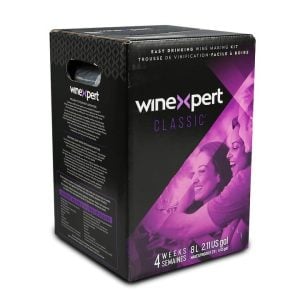
Winexpert Reserve and Private Reserve are for winemakers who want to push the quality of what ends up in the glass. Same process as the entry-level kits, better grape juice, and a finished wine with noticeably more going on once it’s had time to develop in the bottle.
You can choose from Pinot Grigio, Sauvignon Blanc, Chardonnay, Traminer Riesling and California Riesling – all sourced from regions specifically chosen for the variety. These aren’t difficult kits to make, but they reward patience more than the entry-level ranges – leave them eight to ten weeks after bottling and with a bit of patience, it’s hard to believe it came from a box at all.
Good starting points:
FAQs: White Wine Kits
What is the best white wine kit for beginners?
For most people starting out, a Pinot Grigio or Sauvignon Blanc kit from Beaverdale or SG Wines is the easiest place to begin. They’re clean, forgiving fermentations, with clear instructions and consistent results without needing to manage much.
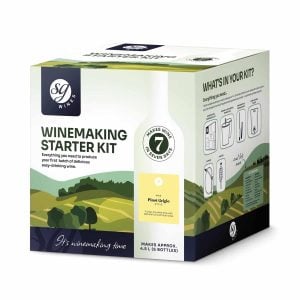
The Beaverdale Pinot Grigio 6 Bottle Kit is one of the most popular first homebrew white wine kits – it’s a familiar style, manageable batch size, and nothing about the process that should catch you out. If you’re starting completely from scratch with no winemaking equipment, the SG Wines Wine Making Starter Kit — Pinot Grigio bundles the basic winemaking supplies and equipment alongside the ingredients, so there’s nothing else to source before your first batch. Once you’ve got a couple of kits under your belt and want to push the quality, the Winexpert Classic range is the natural next step.
Are premium white wine making kits worth the money?
Generally yes, but the honest answer depends on what you’re comparing and how much patience you have. The main difference between entry-level and premium white wine making kits is ingredient quality – higher volumes of grape juice concentrate, juice sourced from specific named wine regions rather than generic blends, and in some cases additional inclusions that add complexity to the fermentation process. The result is a wine with more going on once it’s had time to develop: better structure, more nuance, a finish that lingers a bit longer.
What premium kits can’t do is compensate for poor process – a rushed fermentation, inadequate clearing or bottles opened too early will undermine a premium kit just as easily as a budget one. If you’re already making consistent wine from entry-level kits and want to see what better ingredients actually produce, a premium white wine making kit is worth trying. If you’re still getting to grips with the DIY winemaking process, the extra cost isn’t where to focus yet. Nail the basics first, then step up.
Why is my homebrew white wine kit not clearing properly?
The three most common causes are fermentation not finishing fully, the temperature being too low, or the clarification agents being added in the wrong order – and the first one catches people out most often. Adding finings to a wine that’s still quietly fermenting is a reliable way to end up with a persistently hazy result.
Check with a hydrometer rather than going by time alone, and make sure the final gravity reading is stable over two to three days before moving onto the clearing stage. Temperature is the other thing worth checking; most white wine kits need a stable 18°C or above for the finings to work properly, and a cold garage in winter will slow or stop the process entirely regardless of how long you leave it.
If fermentation is done and the temperature is right but the wine still won’t drop clear, a second round of finings from the winemaking supplies range will usually finish the job. Once it’s clear, move onto the bottling process promptly rather than leaving the wine sitting on sediment longer than it needs to.
Where can I buy white wine kits in the UK?
The Malt Miller stocks white wine making kits across every style and quality level. Beaverdale and SG Wines for reliable everyday winemaking, Winexpert Classic, Reserve and Private Reserve when you want to push things further. Styles from crisp Pinot Grigio through to premium Sauvignon Blanc and Chardonnay, in 6 and 30 bottle formats – all stocked alongside the winemaking equipment and supplies to go with them.