Choosing the Right Draft Beer Tower Kit
The right draft beer tower kit for you usually comes down to three things: how many lines you want to run, whether you already have taps in mind, and how much of the setup you want to sort in one go.
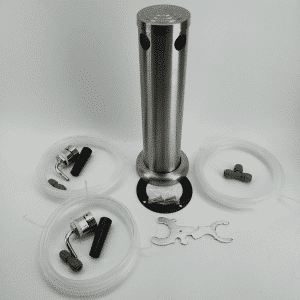
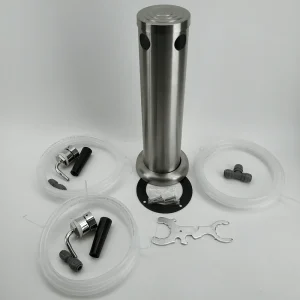
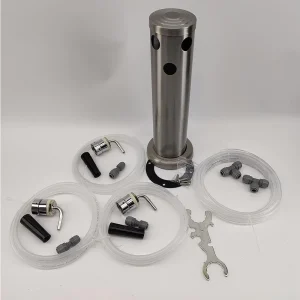
For most home brewers, the first choice is between a double and triple tap tower. A double setup is usually the natural fit for a home bar, kegerator or keezer where you want two beers pouring cleanly without overcomplicating things. A triple draft beer tower gives you a bit more room to play with – useful if you like keeping a couple of beers on while leaving space for a third line, whether that’s another beer or something different like cider, sparkling water, or even a cheeky G&T.
Beer Tower Bundles with Taps
If you want to get most of the job done in one hit, a beer tap tower bundle with taps is often the easiest route. It gives you the tower, the fittings and the chance to choose the taps that suit how you like to serve, rather than being locked into one fixed setup.
That choice matters more than it might seem. Different taps suit different approaches behind the pour, so being able to tailor this part of the setup makes a real difference once everything’s up and running.
Popular Tap Options for Draft Towers
Some brewers prefer to keep things simple with a standard tap that just pours well. Others like having that extra bit of control at the tap itself, especially when running a mix of beers. These bundles let you take either route without having to compromise on the rest of the setup.
Font Kits (Without Taps)
If you already know which taps you want to run, a font kit keeps things simple.
It gives you the beer tower, shanks and fittings needed to get everything in place, while leaving the final tap choice open. That’s useful if you’re matching taps across your wider bar equipment, upgrading an existing setup where you already have taps you’re happy with, or just prefer to choose that part separately.
For plenty of home brewers, this is the neater way to do it. You’re not doubling up on parts you don’t need, and you can keep things consistent across the rest of your keg dispensing setup.
At The Malt Miller, you’ll find font kits built around brushed stainless steel towers, with both 2 tap and 3 tap options available. It gives you a solid base to build from, without locking you into a fixed setup.
Tower Insulation and Finishing the Setup
Once you’ve sorted the tower itself, insulation is one of those details that makes more sense the longer you use the setup.
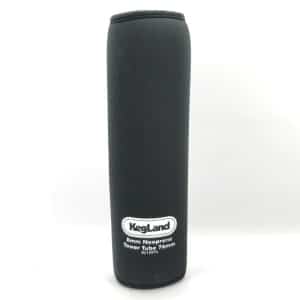
If your beer tap tower sits above the cooled space, the lines inside the tower will warm up between pours. Adding an insulating tower tube helps reduce that, so your first pour is closer to how the beer should actually come through.
At The Malt Miller, you’ll find Kegland tower insulation options in sizes to suit most tap tower setups, so it’s easy to match them to what you’re running. It’s a simple addition, but one that helps keep things a bit more predictable – especially if your setup isn’t being used constantly throughout the day.
It’s also worth double-checking that your taps and shanks match up when you’re putting everything together, as fittings aren’t always universal – one of those things that’s easier to get right first time than fix later.
FAQs: Beer Tap Towers
Is a 2 or 3 tap beer tower better for home use?
A 2 tap beer tower tends to suit most home setups nicely, while a 3 tap version gives you a bit more room to play with.
- 2 tap tower → ideal for a standard kegerator or keezer setup with two beers on at once
- 3 tap tower → better if you regularly want more choice, or plan to run an extra line (e.g. a third beer or sparkling water)
A good rule of thumb is to choose based on how many kegs you realistically plan to keep connected at the same time, rather than what you might add later.
Do I need insulation for a draft beer tap tower?
If your draft beer tap tower sits above the cooled space, insulation is usually worth having.
Without it, the beer sitting in the tower warms up between pours – so the first pint can come through warmer before it settles back down. If you’ve gone to the effort of getting everything dialled in, it’s not ideal to have that first pour be the one you end up tipping.
An insulating tower tube helps keep that section of the line cooler, so what comes out of the tap is closer to how it should be from the start. It’s a small addition, but one most brewers end up appreciating pretty quickly.
Can you use tap towers for drinks other than beer?
Absolutely – tap towers can be used for a range of drinks, as long as the rest of the setup is adjusted to suit.
Most commonly, people run:
- sparkling water (often at a slightly higher carbonation/pressure than beer)
- cider
- pre-mixed cocktails or soft drinks
- wine (in some setups, though it’s usually kept on its own line to avoid flavour carryover)
The tower itself is just the point of dispense – what you can serve comes down to how the keg, pressure and lines are set up behind it.
Can I install a beer tap tower on top of a kegerator or keezer?
Yes – that’s how most beer tap towers are used in a home setup.
The tower mounts through the top of the kegerator or keezer, with the beer lines running down into the cooled space where the kegs are stored. It keeps everything contained and gives you a clean, proper draft setup without needing external lines or separate dispense units.
You’ll often hear this type of setup referred to as a keg tower, which in practice just means the tap tower sitting on top of the keg fridge or freezer.
Where can I buy tap towers and draft tower kits online in the UK?
You can buy tap towers and draft beer tower kits online in the UK from The Malt Miller, with options that suit different types of home setups rather than a one-size approach.
That includes:
- bundles with taps, where you choose the faucet type
- font kits without taps, if you already know what you want to run
- 2 and 3 tap towers depending on how many lines you need
- tower insulation to help keep pours more consistent
It’s set up so you can either get everything sorted in one go, or build things out around an existing setup.