Demijohns & Carboys FAQs
What’s the difference between a demijohn and a carboy?
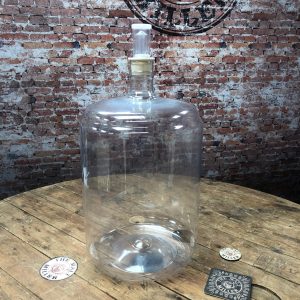
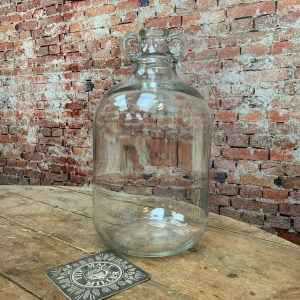
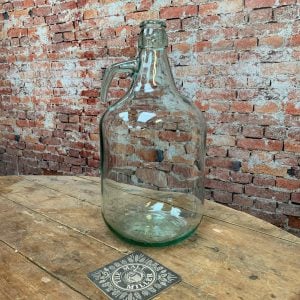
In practice, a demijohn and a carboy are the same idea: a narrow-neck fermentation vessel used for homebrew fermentation and liquid storage – but the name often comes down to size. Demijohns are smaller containers often used for wine making; a carboy is more often used for larger volumes – both can be either glass or PET.
How does a homebrew carboy or demijohn work?
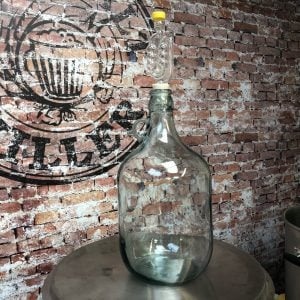
A homebrew carboy (or demijohn) works by giving your beer, cider or wine a sealed, sanitary place to ferment or condition. You fill the fermentation container, fit a bung and airlock for an airtight seal, and keep it at a steady temperature so the yeast fermentation stays happy. The narrow neck helps limit oxygen exposure compared to wide-open vessels, which is why these are popular for conditioning and longer settling.
If you’re using a glass demijohn/carboy for beer, treat it like a vampire – keep it out of the light. Light exposure can lead to “skunking” flavours, so it’s best kept somewhere dark (or covered) while it ferments or conditions.
Are demijohn and carboy fermenters suitable as a barrel substitute for ageing beer or cider?
Yes – demijohn and carboy fermenters can be a cost-effective “barrel substitute” for ageing beer or cider, especially when what you want is time, stability and low oxygen exposure while flavours round out. A clear plastic or glass fermenter also makes it easy to keep an eye on clarity and sediment as things settle.
The one caveat: they won’t add oak character on their own like a real barrel. If you’re aiming for that barrel-style flavour, you’d typically age in the container with oak additions (chips/spirals/cubes) – and keep everything well sanitised.
How long can I leave beer in a demijohn or beer carboy?
In most cases, beer can sit in a demijohn or beer carboy for a few weeks once fermentation is finished – and it can be longer if everything’s well sealed and the temperature stays steady. If you’re conditioning or ageing a beer on purpose (often stronger styles), it’s not unusual to leave it for a couple of months in a glass demijohn/carboy.
The key is ensuring gravity is stable, keeping oxygen exposure low, and avoiding big temperature swings. And if it’s a hop-forward beer, you’ll usually want to package sooner once the aroma’s where you want it – hops don’t always reward patience.
What’s the best demijohn brewing setup for beginners?
If you’re new to demijohn brewing, don’t overthink it: you want a clear fermentation vessel that’s easy to keep sanitary and, once fermentation slows, doesn’t leave a lot of headspace above the beer/wine/cider. A demijohn (glass) or PET carboy fermenter with a bung and airlock is the classic move, then use a siphon for transfers so you’re not sloshing oxygen into it. Keep temperatures steady, leave it alone, and it’ll usually behave itself.