Which Lager Beer Kit Should I Choose?
Choosing between lager making kits doesn’t need to be too complicated. Each kit comes with straightforward instructions, so a big part of it is simply deciding what you actually want to drink – if you’d order it at the pub, it’s usually a safe bet.
From there, you’re really just dialling in the details: style, process and what your setup can handle.
Different Lager Styles You Can Brew with Kits
Most lager home brew kits fall into a few familiar styles, and knowing the difference makes choosing much easier.
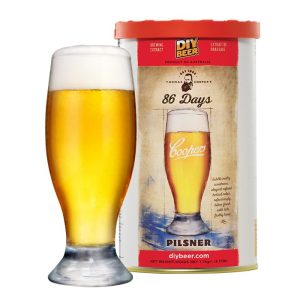
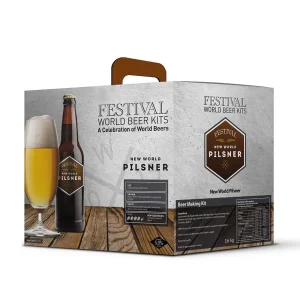
- Pilsner-style kits: lighter in colour, a bit more hop character, and a crisp finish. A good choice if you like something with a bit of bite rather than just clean and neutral
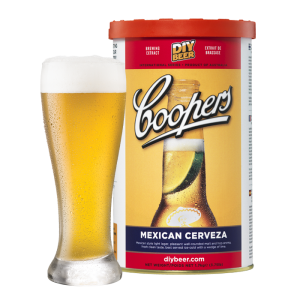
- Cerveza kits: very light, clean and easy-drinking, and usually one of the simplest to get right. If you just want something cold and refreshing on tap, this is often the safe starting point
- Continental lagers: a bit more malt character, slightly fuller without losing that clean profile. Sits nicely between easy-drinking and something with a bit more going on
- Vienna and darker lagers: more depth, colour and a richer finish. Better suited if you want something a bit more flavour-led rather than just crisp
If you’re unsure, starting lighter tends to make life easier – they’re generally more forgiving while you get a feel for fermentation and conditioning. Once you’ve got a batch or two done, it’s much easier to branch out into the fuller styles.
Extract Kits vs Fresh Wort Lager Kits
There are two main types of lager kits to choose from: extract and fresh wort. The difference mainly comes down to how much of the brewing has already been done for you.
- Extract kits: you’re starting with malt extract (a concentrated version of wort), which you dilute with water before fermenting. It’s the more hands-on option, but still very straightforward. You’ve got a bit more flexibility, and it’s generally the easiest place to start if you’re new to home brewing lager
- Fresh wort kits: this is fully brewed wort that’s already been made for you by a brewery. You pour it into your fermenter, top up if needed (with far less water than an extract kit), pitch the yeast and you’re away. It cuts out the brew day entirely and gets you straight into fermentation, using wort that’s been produced to a standard much closer to an all-grain brew.
Both types of kit can produce very good lager. Extract kits give you a bit more involvement in the process, while fresh wort kits are generally considered the higher-quality option, producing a beer that’s closer to what you’d expect from a full all-grain setup.
Basic Equipment for Brewing a Lager Kit
Getting started with home brew lager kits doesn’t require a full brewery setup, but it’s worth checking you’ve got the basics covered before picking your first kit. Everything here is designed to work with a simple setup, so if you’ve got the core equipment in place, you’re ready to get a batch on.
For most kits, that means:
Where lager does start to differ is temperature. You don’t need to get this perfect straight away, but being able to keep fermentation a bit cooler and more stable will make a noticeable difference to how clean the finished beer tastes.
That’s usually the first upgrade people look at once they’ve done a batch or two – typically a fridge or freezer paired with an Inkbird temperature controller, and a simple heating source like a heat mat to help keep things stable. If your brewing space runs cooler, simple heating like a heat belt can help support that setup.
If you’re looking at going down that route, putting together a DIY fermentation fridge is one of the most effective ways to keep things consistent, especially for lager.
FAQs: Brew Your Own Lager Kits
What is the best home brew lager kit?
The best home brew lager kit usually comes down to the balance between clean drinkability and how much depth you want in the finished beer.
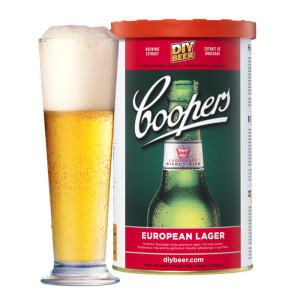
The Coopers European Lager is a strong all-rounder – it produces a clean, classic lager profile and tends to ferment reliably across most setups, which is why it’s widely used. The Muntons Premium Lager pushes things a bit further, with a slightly fuller body and more presence in the glass, so it suits brewers looking for something closer to a pub-style pint.
The Simply Lager Beer Kit sits at the simpler end, it’s lighter, more straightforward, and generally geared towards easy-drinking results rather than complexity.
In practice, it’s less about one being “better” than the others, and more about whether you want something clean and uncomplicated, or a lager with a bit more weight and character.
Which lager brew kits are best for beginners?
For beginners, the best lager brew kits are usually the ones that keep the process straightforward and don’t ask too much from the setup straight away.
Mangrove Jack’s 10 Pint Lager is a good example because the smaller batch size makes everything a bit easier to manage: less volume in the fermenter, less to package at the end, and less beer at stake while you get your eye in. Muntons Premium Lager is another solid option if you want a fuller batch without making things much more complicated. It still fits a fairly standard setup and gives you a clean, familiar lager style to aim for.
With beginner kits, it’s really about keeping the brew day simple and giving yourself the best chance of a clean result. Once you’ve done that once or twice, it’s much easier to start getting pickier about style.
Are lager beer kits harder to brew than ale kits?
Lager beer kits aren’t necessarily harder to brew than ale kits, but they are a bit less forgiving if things drift.
The main difference is fermentation. Lagers use yeast that works best at cooler temperatures and a slower pace, which is what gives them that clean, crisp finish. Ales tend to run warmer and will tolerate a bit more variation without it showing too much in the final beer.
It’s also worth checking the yeast that comes with your kit, as not all extract lager kits use a true lager yeast. Some are designed to ferment a bit warmer, which makes them easier to manage but can give a slightly different result in the glass.
In reality, the process itself is very similar – the difference is that lager rewards a bit more patience and a bit more control, particularly around temperature.
Can I use a lager making kit at room temperature?
You can use a lager making kit at room temperature, but the result depends on the yeast that comes with it.
Traditional lager yeast is designed to ferment cooler, usually around 9–13°C (48–55°F). At typical room temperatures, it can produce a less clean finish and bring out flavours you wouldn’t usually expect from a lager.
Some kits get around this by including ale yeast instead, which will ferment comfortably at room temperature. You’ll still end up with something lager-like, just without quite the same crispness you’d get from a colder fermentation.
If you’re aiming for that classic clean lager profile, cooler and more stable fermentation is where you’ll start to see the difference.
Where can I buy lager beer kits online in the UK?
You can buy lager beer kits online in the UK from The Malt Miller, with a range that covers everything from straightforward, easy-drinking styles through to more characterful lager kits.
There’s a good spread across different styles and batch sizes, so it’s easy to find something that fits how you like to brew and what you want in the glass. You’ll also find the rest of the brewing equipment here, which makes it simpler to keep everything in one place rather than piecing a setup together elsewhere.