Free shipping available for orders over £65 to UK mainland destinations (terms & conditions apply).
Most wine brewing yeast will ferment happily enough, but different strains do bring different things to the finished wine depending on what you’re making.
Some are chosen because they ferment cleanly and reliably without much fuss. Others are better suited to stronger wines, fruit wines or styles where you want more aroma, body or freshness to come through once the wine is in the glass.
If you’re not sure what suits your brew, here’s a quick rule of thumb:
One of the most widely used wine yeasts around, Lalvin EC-1118 has been around forever – and for good reason. It handles difficult fermentations well, stays fairly neutral in the finished wine, and is widely used for white, red, and fruit wine fermentations. It’s also a popular choice for sparkling base wines and in-bottle secondary fermentation where consistency really matters.
Mangrove Jack’s AW4 is geared towards more expressive white wine styles, particularly where floral, fruity or lightly spicy character is part of the appeal. It’s especially well suited to Gewürztraminer-style wines, but also works nicely in Sauvignon Blanc and Semillon fermentations where you want the aromatics to stay front and centre rather than getting flattened out along the way.
Mangrove Jack’s MA33 is a really useful strain when you’re working with sharper, high-acid fruits. It naturally reduces some malic acid during fermentation, which helps soften the finished wine and round things out a bit on the palate. A good fit for fruit-forward country wines where you want a softer, slightly sweeter finish rather than something overly sharp or dry.
Lalvin Bourgovin RC212 is a popular strain for reds where you want a bit more colour, structure and darker fruit character to come through in the finished wine. It’s particularly well suited to styles like Pinot Noir, Gamay, Grenache and Zinfandel, helping bring out ripe berry fruit and subtle spice while keeping the fermentation nice and steady. A good option if you want a red wine that feels a bit more rounded and expressive in the glass rather than overly soft or neutral.
WHC Lovely Bubbly is a winemaker’s yeast geared towards cleaner, crisp fermentations where freshness and carbonation are a big part of the finished style – a good fit for sparkling wines and lighter, more refined ferments.
If you’re pushing towards something stronger, Mangrove Jack’s CL23 is built to handle higher alcohol levels more comfortably while still keeping fermentation clean and controlled. A useful strain for sparkling wines, stronger country wines or tougher fermentations where you need the yeast to keep working reliably once things start getting a bit more demanding.
If you’re unsure where to start, checking the alcohol tolerance, fermentation temperature and style notes on the product page will usually narrow things down fairly quickly. Most wine makers end up finding one or two strains they trust, then branching out once they know the sort of wines they enjoy making most.
For most home wine making, one sachet of wine yeast is designed to ferment a standard batch, but always check the dosage on the packet or product listing.
The exact amount depends on the yeast strain, batch size and strength of the must. If you’re making a typical kit wine or country wine batch, the included or recommended sachet is usually enough. Bigger batches, high-sugar musts or more demanding fermentations may need a different pitching rate.
Simple rule: follow the yeast instructions first – don’t try to stretch one sachet further than it’s designed for.
Yes, brewing yeasts for wine can also be used for cider, and some strains are particularly well suited to fruit cider fermentations where you want a cleaner or more fruit-forward finish.
A few good examples from The Malt Miller range:
The best strain really comes down to the style of cider you want to end up with. Some yeasts are there to stay neutral and let the fruit do the talking, while others will push more aroma, softness or alcohol depending on the fermentation.
If you’re specifically making cider, you can also explore the dedicated cider yeast range for more cider-focused strains and fermentation styles.
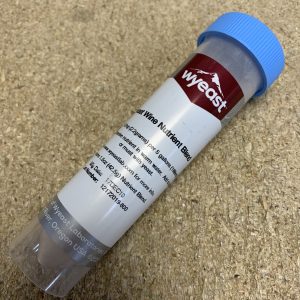
You don’t always need yeast nutrient when using wine yeast, but it’s often a sensible addition, especially in fruit wines, country wines, meads or higher-strength fermentations.
Yeast nutrient helps support a healthier fermentation by giving the yeast access to nutrients it may not naturally get from fruit, sugar or honey alone. That can help reduce the risk of sluggish fermentation, stressed yeast character or a ferment that stops before it should.
For simpler fermentations, you can often get away without it. But once you start pushing alcohol levels higher or working with more demanding ingredients, nutrient quickly becomes one of those small additions that makes life much easier.
Yes – yeast for wine should be stored cool and dry, and refrigeration is usually the safest option for keeping it in good condition.
Yeast is a living ingredient, so heat and poor storage can reduce viability over time. Keeping wine yeasts cold helps protect the cells so they’re ready to do their job when pitched into the must.
At The Malt Miller, yeast is handled carefully and stock is rotated properly, which helps you start with healthy, reliable yeast rather than something that’s been sat around too long.
You can buy wine yeast online in the UK from The Malt Miller, with a broad range of strains for red wine, white wine, fruit wine, sparkling wine, cider and stronger ferments.
The range includes reliable all-round strains as well as more specialist options, with product details covering things like alcohol tolerance, fermentation temperature and style suitability where available. Alongside the yeast, you’ll also find nutrient, wine making ingredients and fermentation equipment across the wider range.