FAQs: Propane & Butane Brewing Burners
What size gas burner do I need for homebrewing?
For most homebrew batch sizes (20 to 100 litres), a 7.5kW propane burner is the right choice and the one most homebrewers end up sticking with long term. It produces enough high heat output to bring a full kettle to a rolling boil efficiently and gives enough adjustable flame control to hold a steady temperature during a mash without constantly fiddling. Going higher than 7.5kW makes precise temperature control harder rather than easier at homebrew volumes, and the gains in boil time rarely justify it.
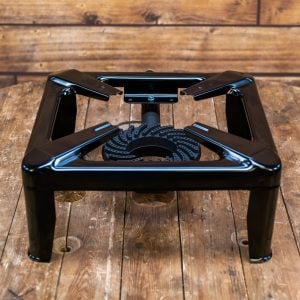
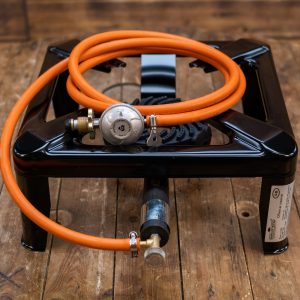
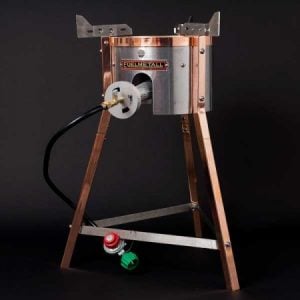
The 7.5kW Gas Burner and Stand with Regulator at The Malt Miller suits all stainless steel brewing kettles from 25 litres upwards and is the homebrew burner most brewers at this scale reach for.
Do I need a complete burner kit or just the burner for brewing?
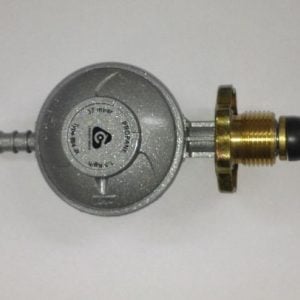
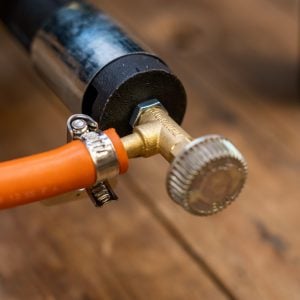
It depends on what you already have. If you’re starting from scratch, something like The Malt Miller’s 7.5kW Gas Burner and Stand with Regulator is the most straightforward option — it includes the cast iron propane gas burner, a 37mbar regulator suited to Calor 4.5kg cylinders and larger, and 2m of BS 3212 Type 2 rated gas hose with butterfly clamps. Add a propane bottle and you’re ready to brew.
If you already have a regulator and hose from a previous setup, the standalone 7.5kW Gas Burner and Stand is available without accessories. For brewers who want burner equipment and a matched kettle together, the 25 litre, 70 litre and 100 litre kettle and burner combinations bundle both in one purchase.
What is the difference between butane and propane burners for homebrewing?
The short answer is that propane handles cold weather better, and butane is slightly cheaper and easier to source in smaller cylinders. In practice, propane is the more reliable choice for year-round outdoor brewing in the UK – below around 2°C, butane stops vaporising properly and the burner will lose output or go out entirely, which isn’t ideal when you’re halfway through a mash in January.
For summer brewing or a setup that’s sheltered and relatively warm, butane works perfectly well and the smaller, lighter cylinders can be easier to deal with. Both gases use the same burner, the difference is in the regulator and cylinder connection, so just make sure you have the right regulator for whichever gas you’re running.
Are gas burners safe for outdoor and shed brewing?
Outdoor brewing is exactly what a propane or butane gas burner is designed for, and it’s one of the main reasons homebrewers choose gas over electric. Brewing outside is the safest and most straightforward option – no ventilation concerns, no risk of gas accumulation.
As a general rule, our recommendation would always be to use gas burners outdoors wherever possible. While many brewers successfully use gas burners in sheds and outbuildings, doing so requires careful attention to ventilation, gas storage and overall safety.
For shed or outbuilding use, the key thing to understand is that LPG is heavier than air, which means any leak will pool at ground level rather than dispersing upward. Good ventilation is essential (doors and windows open, not just a vent or two), and the gas cylinder should always be stored and used outside the building, with the hose running in. Propane in particular should not be used or stored indoors according to Calor’s own guidance, except in well-ventilated outbuildings where the cylinder remains outside. If you’re brewing in a shed, positioning the burner at or near the open doorway with the cylinder outside is the most sensible setup. Always check hose and regulator connections for leaks before lighting – soapy water brushed over the joints will show any escaping gas as bubbles.
Where can I buy a gas burner for homebrewing in the UK?
Gas burners, complete burner kits, regulators, hose and accessories for homebrew are all available at The Malt Miller – everything needed to get a gas-fired brew day set up properly. We’ve been helping homebrewers in the UK source their homebrew kit for over 15 years, so if you’re not sure where to start, drop the team a message.