Beer Tap FAQs
Is a home beer tap worth it?
Yes – beer taps for homebrewing are worth it because they make serving easier, more consistent, and more satisfying than bottles. Once you’ve got a kegged beer dialled in, a proper pouring mechanism means fewer variables: steadier carbonation, repeatable pours, and less faff when you want a pint.
It tends to make most sense if you:
- already keg (or plan to) and want a tidier draught system
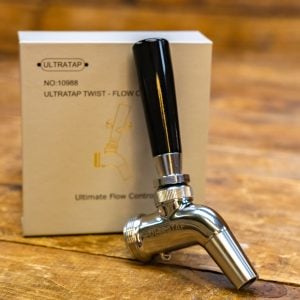
- want better control over foam/pour via beer flow control
- like the idea of a small serving station at home (even if it’s just a fridge door tap)
And if we’re being honest, pulling a pint of your own draught beer at home is a great way to impress your mates.
What do I need to install beer taps for kegs at home?
To install homebrew taps, you need the tap hardware plus the core bits that connect it to your keg and gas. A simple setup usually looks like:
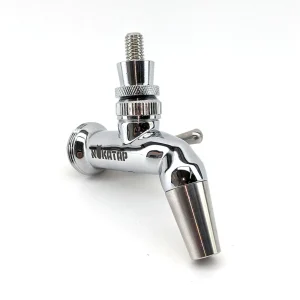
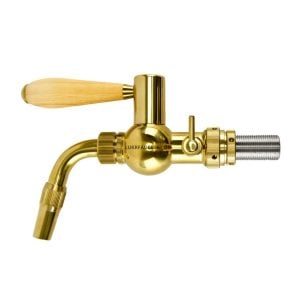
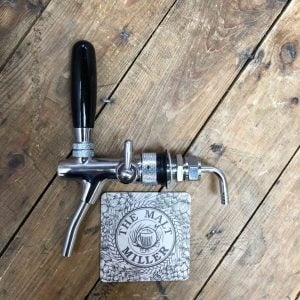
- Beer faucet / tap (your beer dispensing tap)
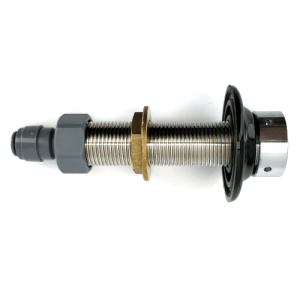
- Beer shank + faucet assembly parts (nut, tailpiece etc., depending on the setup)
- Beer line accessories (beer line + clamps)
- A keg connection (disconnect or keg coupler, depending on keg type)
- CO₂ side: regulator + gas line (for carbonation control)
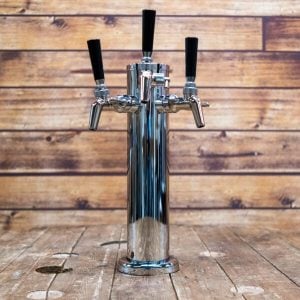
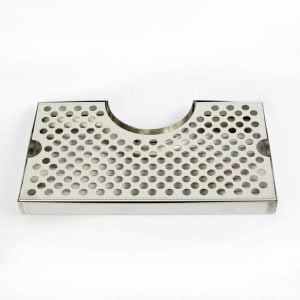
- Optional but handy: drip tray / tap handle / wall or tower mounting parts (if you’re building a keg font / tower)
If you’re building a multi-tap setup, it’s the same idea – you’re just repeating the tap/shank/line side for each line.
Do stainless steel keg taps make a difference?
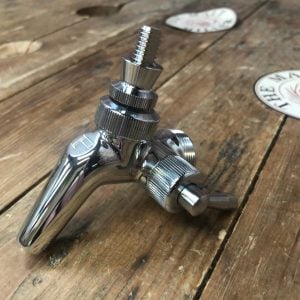
Yes, stainless steel taps can make a noticeable difference, mainly for longevity, cleaning, and how “neutral” the serving end stays over time. Stainless is hard-wearing, doesn’t mind regular cleaning, and is less likely to pick up flavours than softer metals or plated finishes.
In practice, stainless taps are most worth it if you:
- pour often (so the tap gets a lot of use)
- want easier cleaning and fewer worries about wear
- rotate different drinks (beer/cider/wine on keg) and want the serving end to stay as neutral as possible
How often should I clean beer dispensing taps?
As a rule of thumb, clean beer taps little-and-often, and deep clean on a schedule – it keeps flavours fresh and stops sticky pours.
A sensible home rhythm:
- Quick clean (flush lines / rinse tap): every 1–2 weeks (or whenever you swap a keg)
- Proper clean (cleaner through the draught dispensing system + wipe down): every 2–4 weeks
- Deep clean (take apart the beer faucet, clean the internals and dispenser valves): every 4–8 weeks, depending on use.
If you notice off-flavours, sticky movement, or foam behaviour changing, that’s usually your tap telling you it’s time. If you’re missing anything for a proper clean, you can grab what you need from our cleaning equipment range.
Can you serve wine through keg taps?
Yes, you can serve wine through keg taps, and the same keg tap systems hardware works fine. The main differences are how you set it up and how you keep things clean.
A few practical points:
- Use a dedicated line if you can (wine aromas can linger in beer line)
- Keep it cold and serve at sensible pressure (wine tends to show problems quickly if it’s warm)
- Choose a dispensing faucet you can clean easily – serving wine is still just liquid dispensing, but you’ll want it hygienic and neutral
- If you want to avoid using CO₂ on still wine, a BevPump-style setup is a tidy workaround. You can serve from bag-in-box with an adaptor, without risking accidental carbonation
If you’re planning to switch between beer and wine often, having separate homebrew taps (or at least separate lines) is the easiest way to avoid flavour carryover.