

SMaSH Beer: A Guide to Single Malt Single Hop Brewing
A SMaSH beer strips brewing back to the essentials, making it one of the easiest and most enjoyable ways to learn what your ingredients really bring to the glass.
SMaSH stands for Single Malt and Single Hop. By using just one base malt and one hop variety, you remove many of the variables that can make recipe design difficult to understand. It’s a simple approach, but one that teaches you an enormous amount about flavour, aroma and balance.
Whether you’re brewing your very first all-grain batch or experimenting with new ingredients, this guide will show you how to choose the right malt, hops and yeast, build your own SMaSH recipes and avoid some of the common mistakes we’ve learned along the way. We’ve also included our full brew day video, where you can follow one of our favourite SMaSH beers from recipe design through to the finished pint.
🎥 WATCH: Brew Along With Jo’s SMaSH Beer
Follow the full brew day, see why we chose each ingredient and pick up practical tips you can apply to your own SMaSH recipes.
What Is a SMaSH Beer?
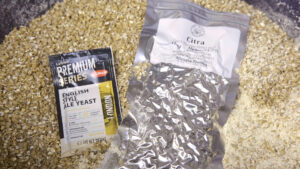
A typical SMaSH recipe uses:
- One base malt to provide the fermentable sugars and malt character.
- One hop variety throughout the recipe for bitterness, flavour and aroma.
- One yeast strain to keep fermentation character consistent. While this isn’t a strict requirement, it’s how many brewers approach SMaSH brewing to keep as many variables as possible under control. In fact, when you have a happy recipe, the yeast strain is a great thing to experiment with and see how it changes it.
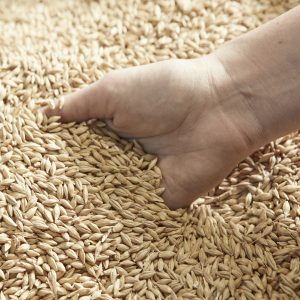
Everything else in the brewing process stays much the same. You’ll still mash, boil, ferment and package your beer exactly as you would any other all-grain brew. The difference is that when you taste the finished pint, you know precisely where those flavours have come from.
Why Brew a SMaSH Beer?
One of the biggest strengths of a SMaSH beer is how easy it is to answer brewing questions that are difficult to solve with more complex recipes. By changing just one ingredient at a time, you can see exactly how that decision affects the finished beer.
A SMaSH recipe can help you:
- Understand individual ingredients by tasting exactly what one malt and one hop contribute to the finished beer.
- Compare ingredients fairly by brewing the same recipe with just one change, such as swapping Maris Otter for Golden Promise or replacing Citra with Harlequin.
- Understand the role of yeast, as changing nothing but the yeast strain can produce a surprisingly different beer.
- Develop your recipe design skills before introducing more complex grain bills, hop schedules or additional ingredients.
- Build a personal flavour library, making it much easier to predict how different malts, hops and yeasts will work together in future brews.
It’s one of the few brewing techniques that’s just as valuable after your hundredth brew as it is after your first. Beginners gain a much better understanding of the fundamentals, while experienced brewers often use SMaSH recipes to evaluate new ingredients before introducing them into more complex recipes.
Brewing our own Citra SMaSH reinforced just how much difference a single ingredient choice can make. Once you’ve brewed one successful SMaSH beer, changing one variable at a time becomes one of the quickest ways to refine your recipes, make more informed ingredient choices and brew with greater confidence.
How to Choose Ingredients for a SMaSH Beer
The beauty of a SMaSH recipe is that every ingredient gets its chance to shine.
When we’re putting together a SMaSH beer, we’re not necessarily looking for the biggest flavours. We’re looking for ingredients that teach us something. That might mean pairing a dependable base malt with an expressive hop, or keeping the malt and hops exactly the same while changing nothing but the yeast to see how it influences the finished beer.
There isn’t a single “best” combination. The right ingredients depend on what you want to learn and the style of beer you’re aiming to brew. Here’s how we approach choosing the malt, hop and yeast for a SMaSH recipe.
Choosing the Best Base Malt for a SMaSH Beer Recipe
Your choice of base malt will define much of the beer’s body, colour and malt character, so it’s worth thinking about what you want the finished beer to showcase.
If you’re hoping to put a particular hop variety centre stage, a clean, dependable base malt will provide a solid foundation without getting in the way. On the other hand, if you’re interested in comparing different base malts, keeping the hop and yeast the same allows you to really appreciate the subtle differences between each one.
Some of our favourite base malts for SMaSH brewing include:
| Base Malt | What It Contributes | Works Well In |
|---|---|---|
| Warminster Maris Otter | Rich, bready and lightly nutty with excellent balance. A great benchmark for traditional British brewing. | Bitters, pale ales, ESBs |
| Simpsons Golden Promise | Slightly sweeter and softer than Maris Otter with a gentle honey-like character. | Pale ales, IPAs |
| Crisp Hana Heritage | Crisp, delicate malt flavour that allows hop character to shine. | Lagers, pilsners |
| Weyermann Barke Pilsner | Clean, lightly sweet and highly fermentable. Excellent for traditional lagers. | Lagers |
| Dingemans Pale Ale Malt | Rounded malt character with subtle biscuit notes and plenty of versatility. | Pale ales, amber ales |
For our own SMaSH brew, we chose Warminster Maris Otter because it provides a dependable malt backbone without competing with the Citra hops. It gives enough body and character to support the beer while still allowing the hop flavour and aroma to remain the main focus.
Choosing the Best Hops for a SMaSH Beer Recipe
Virtually any hop can work in a SMaSH beer. Because you’re relying on a single hop variety for bitterness, flavour and aroma, it’s worth choosing one with a character you genuinely want to explore. If you’re brewing your first SMaSH beer, a well-known hop such as Citra or East Kent Goldings gives you a useful reference point. Once you understand how those varieties perform on their own, it’s much easier to compare newer hops in future recipes.
Some of our favourite hops for SMaSH brewing include:
| Hop Variety | What It Contributes | Works Well In |
|---|---|---|
| Citra | Bright citrus, tropical fruit and grapefruit with a clean bitterness. An excellent benchmark for modern hop-forward beers. | Pale ales, IPAs |
| East Kent Goldings | Delicate floral, honey and gentle spice character that’s synonymous with traditional British brewing. | Bitters, Pale Ales, ESBs |
| Galaxy | Bold passionfruit, peach and citrus with an unmistakably modern Australian character. | IPAs, Pale Ales |
| Harlequin | Peach, pineapple and tropical fruit from one of the UK’s most exciting modern British hop varieties. | Pale Ales, IPAs |
| Saaz | Herbal, floral and lightly spicy with a refined bitterness that’s ideal for classic European lagers. | Lagers, Pilsners |
We chose Citra because we wanted the hop to be the star of the beer. Using a single hop throughout the recipe allowed us to experience everything Citra brings to the glass, from its clean bitterness through to its bright citrus and tropical fruit aroma.
Choosing the Best Yeast for a SMaSH Beer Recipe
Yeast is often overlooked in SMaSH recipes, but it can have just as much influence on the finished beer as the malt and hops.
A good starting point is to decide which ingredient you want to take centre stage. If you’re brewing with a bold hop variety, a clean fermenting yeast will allow those hop flavours and aromas to shine. If you’re using a more subtle hop, choosing a characterful yeast can add another layer of complexity without needing additional ingredients. If you’re interested in exploring how different yeast strains shape a beer, keeping the malt and hops the same can be a fascinating experiment.
Some of our favourite yeasts for SMaSH brewing include:
| Yeast | What It Contributes | Works Well In |
|---|---|---|
| NBS West Coast | Clean, crisp fermentation that allows malt and hop character to take centre stage. | Pale ales, IPAs |
| Lallemand Verdant IPA | Soft mouthfeel with enhanced tropical fruit character and a balanced finish. | Modern pale ales, IPAs |
| Saflager W-34/70 | Clean, highly attenuative lager fermentation with excellent drinkability. | Lagers |
| Lallemand Voss Kveik | Bright orange citrus character with fast fermentation at warmer temperatures. | Pale ales, experimental beers |
| Mangrove Jack’s M29 French Saison | Peppery spice, light fruit and classic farmhouse character. | Saisons, farmhouse ales |
Our original SMaSH recipe was brewed with Lallemand London Ale yeast (now discontinued). Its clean fermentation profile allowed the Citra hops to take centre stage, while still adding just enough character to support the finished beer. If you’re brewing the recipe today, we’d recommend LALLEMAND LalBrew® House Ale as the closest current alternative.
Which Beer Styles Work Best as SMaSH Beers?
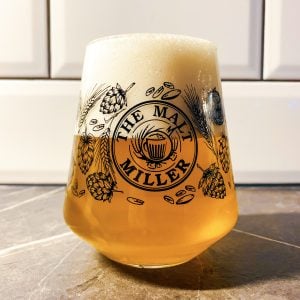
One of the great things about SMaSH brewing is that it isn’t tied to one particular beer style. The same principles can be applied to everything from crisp lagers to hop-forward IPAs.
As a starting point, we generally recommend brewing a style that gives the ingredients plenty of room to speak for themselves. Styles with a balanced malt bill and moderate bitterness tend to make it much easier to understand what each ingredient contributes.
| Beer Style | Why It Works Well | Ideal If You Want To |
|---|---|---|
| Pale Ale | Balanced enough to showcase both malt and hops. | Brew your first SMaSH beer |
| IPA | Lets expressive hop varieties take centre stage. | Compare modern hop varieties |
| British Bitter / Golden Ale | Highlights traditional British ingredients. | Learn classic malt and hop combinations |
| Lager | Clean fermentation reveals subtle ingredient differences. | Compare malt, hops and yeast |
If you’re brewing your first SMaSH beer, we’d usually point you towards a pale ale. It’s forgiving, straightforward to balance and gives both the malt and hops plenty of opportunity to show their character. Once you’ve brewed one successfully, it’s easy to apply the same principles to almost any beer style.
Build Your First SMaSH Beer Recipe
One of the biggest misconceptions about SMaSH brewing is that keeping the ingredients simple means recipe design becomes less important. In reality, every decision has a greater impact because there are fewer ingredients sharing the workload.
If you’re just getting started, we generally recommend aiming for a balanced beer that lets the malt, hops and yeast all contribute without any one element dominating the finished pint.
A framework like the one below provides a solid starting point for your first SMaSH recipe, whatever style you’re brewing.
| Recipe Element | Typical Starting Point | Why It Works |
|---|---|---|
| Original Gravity (OG) | 1.045–1.055 | Produces a beer with enough body to showcase the ingredients without becoming overly strong. |
| Final Gravity (FG) | 1.008–1.012 | Leaves a balanced finish that’s neither too dry nor too sweet. |
| ABV | 4.5–5.5% | Strong enough to carry flavour while allowing the malt, hops and yeast to remain the focus. |
| Bitterness (IBU) | 20–40 IBU | Provides enough bitterness to balance the beer without overwhelming the chosen ingredients. |
| Mash Temperature | 65–67°C | Produces a balanced wort with a good combination of fermentability and body. |
| Fermentation | Follow your chosen yeast’s recommended temperature range. | Allows the yeast to perform as intended and develop its expected flavour profile. |
| Hop Schedule | Keep the hop schedule simple and consistent. | Makes it easier to understand how your chosen hop contributes bitterness, flavour and aroma throughout the beer. |
These aren’t fixed rules, and every SMaSH recipe can be adjusted to suit the style you’re brewing. Think of them as a reliable starting point that you can refine as you gain experience and begin experimenting with different ingredients and brewing techniques.
Brew Jo’s Citra SMaSH Pale Ale
Theory is all well and good, but eventually you’ll want to get a brew on.
This is the SMaSH recipe Jo put together here at The Malt Miller. The aim wasn’t to brew the biggest IPA or cram in as many hops as possible. It was simply to put together a balanced pale ale where every ingredient had room to show its character.
Jo’s Recipe Specifications
Remember: recipes are only ever a starting point. Your brewhouse efficiency, water profile and equipment will all influence the finished beer, so don’t worry if your numbers differ slightly from ours.
| Recipe Detail | Specification |
|---|---|
| Batch Size | 20 litres |
| Base Malt | 5kg Warminster Maris Otter Pale Ale Malt |
| Hop Variety | 100g Citra |
| Yeast | Lallemand London Ale (now discontinued – LalBrew House Ale is the closest current alternative) |
| Mash | 60 minutes at 65°C (17L mash, 12L sparge) |
| Boil | 60 minutes |
| Hop Schedule | 10g Citra @ 60 mins • 10g @ 20 mins • 20g hop stand for 10 mins at 80°C • 60g dry hop for 4 days after reaching final gravity |
| Target Original Gravity (OG) | 1.043 (We hit higher than this – 1.054, but your system may differ in efficiency) |
| Target Final Gravity (FG) | 1.012 |
| Target Bitterness | 23.4 IBU |
| Target ABV | 5.62% |
📄 Download the Full Recipe Sheet
Prefer to brew with a printed recipe beside you? Download Jo’s full recipe sheet, including the complete grain bill, hop schedule, fermentation profile and brew notes.
Shop Everything You Need
If you’d like to brew Jo’s Citra SMaSH yourself, we’ve linked the ingredients and equipment used below.
Ingredients:
- Citra SMaSH Recipe Kit
- Warminster Maris Otter Pale Ale Malt
- Citra Hop Pellets
- LALLEMAND LalBrew House Ale (closest current alternative to London Ale)
Equipment:
SMaSH Beer FAQs
Is SMaSH brewing good for beginners?
Yes. In fact, we’d argue it’s one of the best ways to learn all-grain brewing.
Rather than trying to understand half a dozen malts and multiple hop additions at once, a SMaSH beer lets you focus on how a single base malt, hop and yeast behave throughout the brewing process. You’ll quickly develop a much better understanding of flavour, aroma, bitterness and balance, making future recipe design far less daunting.
If you’re brewing your first SMaSH beer, we’d usually recommend starting with a balanced pale ale before experimenting with different ingredients and beer styles.
Can I use any base malt for a SMaSH beer?
Yes, provided it’s a base malt with enough enzymatic power to convert itself during the mash. Maris Otter, Golden Promise, Pale Ale Malt, Pilsner Malt and similar base malts all make excellent choices for SMaSH brewing.
Speciality malts such as Crystal, Chocolate or Roasted Barley aren’t suitable on their own, as they aren’t designed to make up an entire grain bill. If you’re unsure, look for malts described as base malts – they’re specifically intended to form the foundation of your beer.
If you’re just getting started, Maris Otter is one of the most forgiving options. It produces a balanced beer with plenty of malt character while allowing your chosen hop to remain the star of the show.
Can I use liquid yeast instead of dry yeast in a SMaSH recipe?
Absolutely. Both dry and liquid yeasts can produce excellent SMaSH beers, provided they’re healthy and pitched correctly.
Dry yeast is often a great choice for beginners because it’s convenient, reliable and has a long shelf life. Liquid yeast gives you access to a much wider range of strains and flavour profiles, making it a brilliant option once you start experimenting with different beer styles.
If you’re using liquid yeast, pay close attention to its age and storage conditions. For older packs or higher-gravity beers, making a yeast starter beforehand is often worthwhile to ensure the yeast is active and ready to ferment. Because SMaSH recipes contain so few ingredients, the character of your chosen yeast is much easier to notice, making it another great variable to experiment with once you’ve established a benchmark recipe.
Can I dry hop a SMaSH beer?
Absolutely. Dry hopping is one of the easiest ways to explore what a hop variety contributes to aroma without adding significant bitterness.
In the Malt Miller’s Citra SMaSH recipe, the beer is dry hopped with 60g of Citra for four days after reaching its final gravity. Waiting until primary fermentation has finished helps preserve more of the hop’s bright citrus and tropical fruit character, while reducing the amount of aroma lost during active fermentation.
If you’re comparing hop varieties, try keeping everything else in the recipe exactly the same and changing only the dry hop. It’s one of the simplest ways to understand how different hops influence aroma and flavour in the finished beer.
What are some of the best SMaSH beer recipes?
The best SMaSH recipe depends on what you’d like to learn – choose one that showcases the ingredient you’re most interested in exploring.
Some of The Malt Millers favourite SMaSH recipes include:
- Jo’s Citra SMaSH – A balanced pale ale using Warminster Maris Otter and Citra, making it an excellent introduction to SMaSH brewing and modern hop character.
- Warminster MO SMaSH – A great choice if you’d like to explore the rich, bready character of Warminster Maris Otter and see why it’s such a popular base malt for British brewing.
- Simcoe Session SMaSH – A lower-strength beer that’s ideal for exploring Simcoe’s classic pine, citrus and stone fruit character in a highly drinkable session ale.
- Strata Summer SMaSH – A bright, hop-forward recipe showcasing Strata’s distinctive passion fruit, grapefruit and herbal character.
Should I brew the same SMaSH recipe more than once?
Absolutely. In fact, many experienced brewers will brew the same SMaSH recipe several times before moving on to something new.
The first brew teaches you what the finished beer looks and tastes like. The second is where you can start asking better questions. What happens if you swap Maris Otter for Golden Promise? How different would the beer be with Harlequin instead of Citra? Would a different yeast produce a softer mouthfeel or a fruitier finish?
By changing just one ingredient while keeping everything else the same, you create a fair comparison that’s difficult to achieve in more complex recipes. Over time, those side-by-side brews build a much better understanding of how ingredients behave than simply reading tasting notes or recipe descriptions.
It’s also worth remembering that your own brewing process becomes more consistent with repetition. Brewing the same recipe more than once helps you separate changes caused by ingredients from those caused by improvements in your technique, making every batch a valuable learning experience.
Wrapping Up: SMaSH Brewing
SMaSH brewing proves that great beer doesn’t need a long ingredient list. By stripping a recipe back to a single malt and a single hop, you’ll quickly build a much better understanding of how individual ingredients shape the finished beer.
Whether you start with Jo’s Citra SMaSH recipe or build one of your own, the most valuable thing you can do is keep experimenting. Brew the recipe, make notes, change one ingredient and brew it again. Before long, you’ll have a much better feel for how different malts, hops and yeasts behave—and that knowledge will carry through into every recipe you brew in the future.
Ready to Build Your Own SMaSH Beer?
Ready to put everything you’ve learned into practice? The Malt Miller’s Beer Recipe Generator is a great place to start.
Experiment with different base malts, hop varieties and yeast strains, then refine your recipe one ingredient at a time. Before long, you’ll have a recipe that’s uniquely yours – and a much deeper understanding of how every ingredient shapes the finished beer.