FAQs: NEIPA & Pale Ale All Grain kits
Why are NEIPA and hazy pale ales brewed differently to classic IPA?
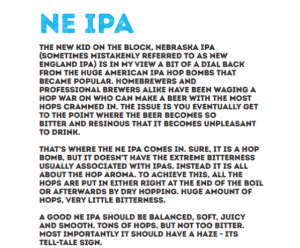
NEIPA and hazy pale ale all grain kits are usually brewed with a very different end goal to classic IPA recipes. Traditional IPA brewing tends to focus more on cleaner bitterness, sharper finish and a more obvious separation between malt and hops. New England-style brewing pushes much harder towards softer mouthfeel, lower perceived bitterness and saturated hop aroma instead.
That changes quite a few parts of the brew process. Hazy all grain recipes often rely more heavily on late hopping, dry hopping, yeast character and grain choices like oats or wheat to build body and texture alongside the hop profile. The aim is less “firm bitterness” and more keeping the beer soft, fresh and heavily aromatic once fermentation is finished.
Are NEIPA all grain kits harder to brew than other IPA recipes?
NEIPA all grain kits are not massively more difficult to brew, but there are some important considerations with these styles, particularly once fermentation is underway.
With hazy beer styles, small process decisions tend to show themselves fairly quickly in the finished pint. Dry hopping, fermentation temperature, oxygen exposure and packaging all have a noticeable effect on how fresh and saturated the beer feels once poured. A classic West Coast IPA can usually tolerate a bit more rough handling; a heavily hopped NEIPA generally will not.
That’s part of why these styles suit all grain brewing so well though. You’ve got much more control over the grain bill, mash profile, hopping techniques and yeast selection, which lets you shape the beer properly once you start getting comfortable with the process.
Should NEIPA be kegged or bottled?
Kegging is usually the better option for NEIPA and hazy pale ale brewing because it helps reduce oxygen exposure and keeps hop aroma fresher for longer.
These beers are heavily driven by late hopping and dry hopping, so once oxygen starts getting involved, the hop character can fade surprisingly quickly. Kegging gives you a much cleaner way to package and serve the beer while keeping those softer, saturated hop flavours intact.
That said, bottling still works perfectly well if you handle the beer carefully. Keep transfers gentle, avoid splashing where possible and try to drink the beer while it’s still properly fresh.
Why does freshness matter so much with NEIPA brewing?
Freshness matters with NEIPA brewing because hazy beer styles rely heavily on volatile hop aroma and softer hop character rather than firm bitterness alone.
A lot of what makes a good New England IPA work comes from late hopping, dry hopping and expressive yeast fermentation. The downside is that those bright tropical, citrus and stone fruit aromas fade much faster than people expect once oxygen and time start creeping in. That’s why a NEIPA can taste incredible one week, then noticeably flatter and duller not that long afterwards if it hasn’t been handled carefully.
For most home brewers, the sweet spot is usually getting the beer carbonated, settled and into the glass while the hops still feel lively and saturated.
Is water chemistry important for a hazy new England IPA or pale ale?
Absolutely. Water chemistry plays a huge role in how a hazy IPA or pale ale drinks, especially when it comes to mouthfeel, softness and hop character. One of the defining traits of the style is that smooth, juicy texture, and that often comes from using a chloride-forward water profile. Higher chloride levels help round out the palate and enhance body, while keeping sulphate lower stops the bitterness becoming too sharp or aggressive.
That doesn’t mean you need a chemistry degree (or a cupboard full of salts) to brew a great NEIPA at home. Our recipe kits are designed to work well with a wide range of UK water profiles, but if you want to really dial things in, small adjustments with brewing salts can make a noticeable difference. Softer water tends to suit the style best, particularly if you’re chasing that saturated hop flavour and pillowy finish you get in modern commercial examples.
Once you start getting deeper into water treatment, many brewers move over to RO (reverse osmosis) water as a completely blank canvas. Starting from near-zero mineral content gives you full control over your profile and makes it much easier to build the soft, hop-saturated water chemistry these styles love. If you already live in a naturally soft water area you may not need to go that far, but for brewers dealing with hard or heavily treated water, RO can be a real game changer.
If you’re not sure what’s actually coming out of your tap, our Advanced Water Report service can help. We’ll break down exactly what’s in your brewing water and help you understand how it affects your beer, making it much easier to build the right profile for hazy pales, NEIPAs and other hop-forward styles.
Where can I buy NEIPA and hazy pale ale all grain kits online in the UK?
You can buy NEIPA all grain kits and hazy pale ale all grain kits online in the UK from The Malt Miller, with recipe kits focused specifically on modern New England-style brewing.
The range includes heavily hopped hazy pale ales, softer New England IPA homebrew kits and bigger all grain recipes built around expressive yeast strains, saturated hop aroma and fuller mouthfeel. Malts are milled fresh to your specification, hops are packed by variety to recipe weights, and the recipes themselves are designed to give home brewers a proper all grain brew day rather than a simplified extract shortcut.
You’ll also find brewing equipment, fermentation gear and the wider all grain recipe range if you’re building out the rest of your setup.