


Description
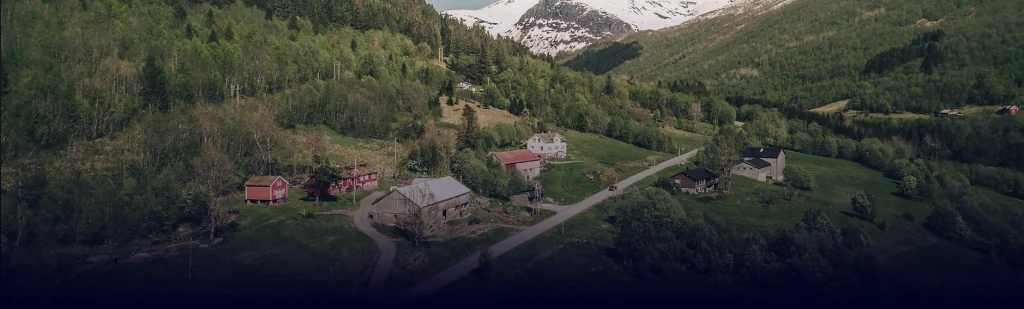
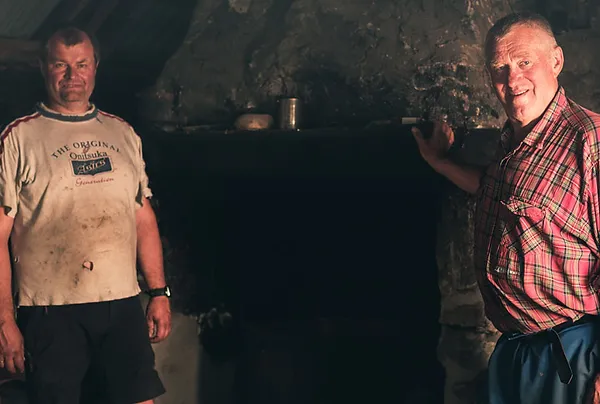
The Stalljen kveik comes from Stig Seljeset in Hornindal, Norway.
Hornindal is situated north of the Jostedal glacier, and historically the main industry in Hornindal was farming and scythe forging. The Seljeset farm was a traditional self-sustained farm holding sheep and milk cows. The original culture called Seljeset kveik can be dated back to the 1870’s, but the culture has since been mixed with other cultures and is now called Stalljen.
The Stalljen name means stable and comes from their old horse stable which now holds a private pub and brewery. Stig still use a 100-year-old brewing technique when he brews his beer.
The flavour and aroma have notes of apples and ripe fruit, and a hint of cloves and anis. The intensity is medium to high at high fermentation temperatures, and at lower temperatures it will be less intense, and you will get a nice and crisp beer, similar to lager.
This kveik is a versatile type of yeast, and you can brew several different types of beers including traditional farmhouse, stouts and porters, seasonal beers, IPA and many more. At low mash temperatures you will get high attenuation and a dry beer, and the cloves and anis flavour really come through. Use your imagination, experiment with new recipes, and this yeast will not let you down.
FERMENTATION
Stalljen ferments well from 8°C (46°F) and up to 38°C (100°F).
The higher fermentation temperature, the faster fermentation. At the highest temperature you can expect the beer to ferment in 48 hours. When fermentation is done at low temperatures you can expect fermentation time to increase.
We recommend users to add yeast nutrition to ensure a healthy fermentation.
FLAVOUR AND AROMA
Flavour and aroma has notes of apples and ripe fruit, and a hint of cloves and anis. The intensity is medium to high at high fermentation temperatures, and at lower temperatures it will be less intense and you will get a nice and crisp beer similar to a lager.
PITCHING
Pitch directly into wort by sprinkling the yeast across the surface. Ensure that the wort has a temperature above 20°C (68°F).
Pitching rate 0.2g per L (20 g/hl). 5g Pack suitable for 25L above 20c
For fermentation below 20°C (68°F) or high gravity, increase pitching rate to 0.4g per L (40 g/hl). Use 2 x 5g pack for 25L.
STORAGE
Sealed package should be stored in dry conditions below 6°C (43°F). Product can be transported and kept at room temperature for a period of up to 1 month. Opened satchets must be re-sealed, stored in dry conditions below 6°C (43°F), and used within 3 days. Do not use damaged satchets


Who we are
Norwegian brewing traditions have inspired many brewers in later years, and with the rediscovery of the ancient Norwegian yeast called “Kveik” brewers are given an opportunity to produce unique beer with a distinct taste.
The founders of the Kveik Yeastery, Arne and Øystein, started playing with the thought of building a factory and produce authentic kveik a few years ago. After a long journey and a lot of hard work they managed to set-up a modern production facility in Brumunddal, Norway, where all the kveik is produced.
Authenticity is everything
Original kveik cultures consist of several yeast types in each culture, and without all the yeast types in place we don’t call it kveik. You cannot take the famous Mercedes Benz star, place it on another car brand, and still call it a Mercedes. Nor can you take one yeast type out of a kveik culture and still call it kveik. Each yeast type in the culture contributes with taste and aroma, and the original composition is what gives unique flavour and aroma.
At Kveik Yeastery we produce the original cultures as they have been used by the local farmers. Our yeast is produced on Norwegian malt to simulate the environment that the yeast cells are used to, and to produce the most authentic kveik as possible. Authenticity is everything.
What is Kveik?
Kveik is an old Norwegian name for yeast. Until late 19th century, all yeast in the world was multi cultures, meaning they all had several yeast types in one culture. It was common that households and farms had their own yeast culture that they nurtured and took care of so they could make beer and bread.
After Louis Pasteur in 1866 discovered that yeast was living organisms that made beer ferment, the work started to isolate single yeast types so the breweries could make stable and consistent beer every time. Carlsberg was the first brewery to brew beer with single strain yeast, and soon every brewery in the world were to follow. When yeast reached the store shelves, this was the end for the multi strain yeast all over the world except from Norway (there are also found a few strains in the Baltics).

Reviews
There are no reviews yet.